







Graviton Escape: Case Study
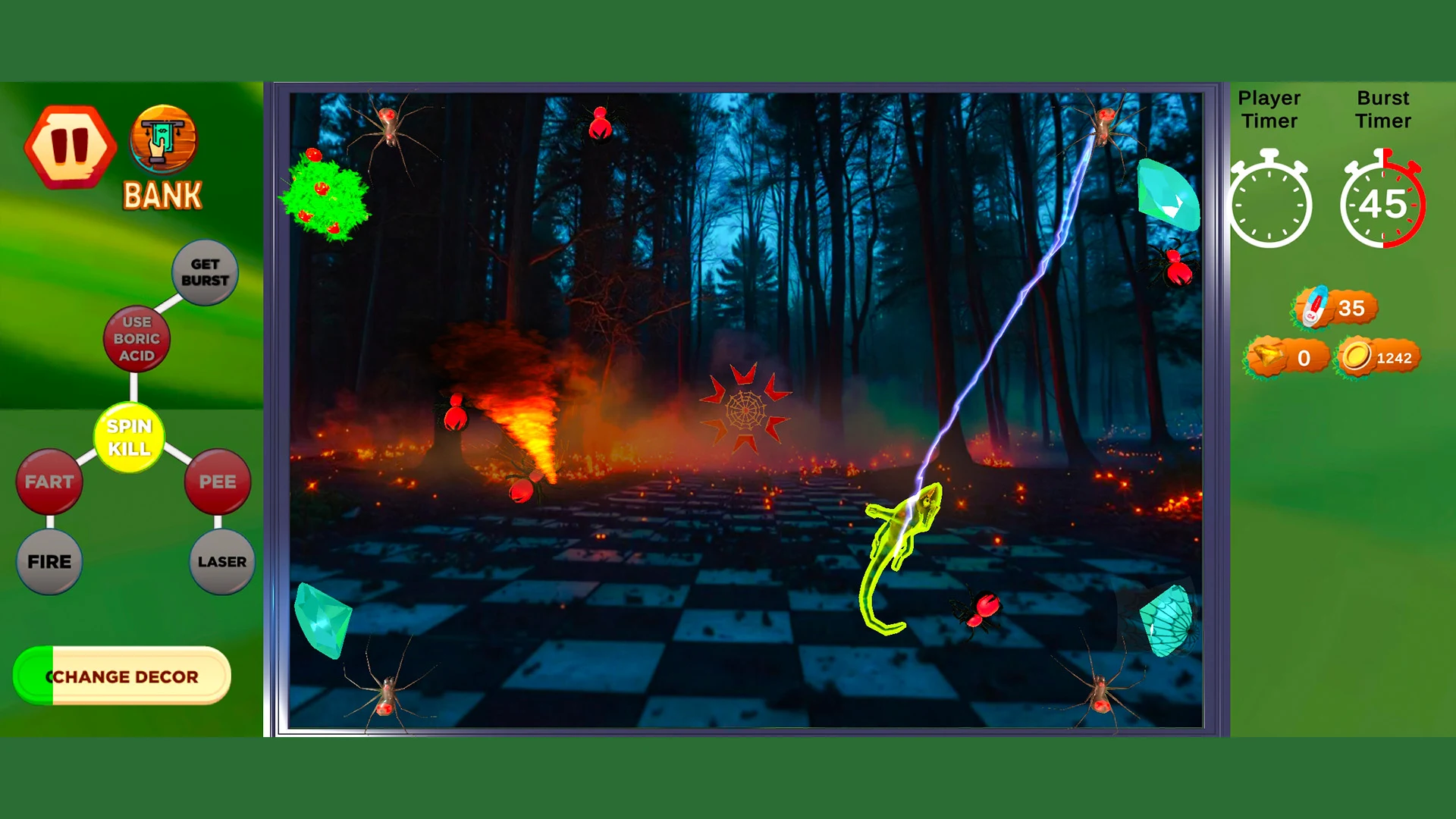
- App Name: Graviton Escape
- Platform: Android (available on Google Play)
- Genre: Arcade / Physics-Puzzle / Action
- Purpose: Provide a gravity-based, physics-driven mobile game that challenges players to navigate obstacles and levels using gravity mechanics.
- Target Users: Casual and mobile gamers who enjoy physics puzzles, action-arcade challenges, and mobile gaming on Android devices.
- Need to design intuitive yet challenging gravity-based gameplay that feels fair but also engaging.
- Ensure the physics engine works smoothly across a wide range of Android devices (low-end to high-end), to reach as many users as possible.
- Create levels that balance learning curve and challenge: early levels should teach mechanics; later levels should test player skills.
- Maintain performance and stable frame rates while using physics calculations and dynamic obstacles.
- Ensure UI/UX is simple and intuitive on mobile screens — controls must be responsive and easy to use.
- Implement a level progression and reward system to encourage replay and retention.
Prototype & Mechanics Design
Built a core gravity-based movement prototype to test physics behavior (gravity direction, jumps, collisions).Tuned gravity values, jump strength, collision response, and physics parameters via iterative testing to ensure smooth mechanics.
Level Design Strategy
Designed tutorial levels for beginners to learn controls and gravity mechanics.Created progressive difficulty: later levels introduce moving platforms, gravity wells, traps, and more complex puzzles.
Performance Optimization
Optimised physics calculations to use efficient collision detection and rigid-body simulation.Reduced unnecessary draw calls and optimized assets (textures, sprites) to lower memory footprint.Tested the game on multiple Android devices to ensure stable performance.
UI/UX Design
Simple and clean UI for mobile; minimal on-screen clutter so players focus on gameplay.Touch controls (tilt / swipe / tap) designed to be responsive and intuitive.Clear feedback when player dies, resets, or switches gravity — makes experience understandable.
Replay & Retention Mechanics
Implemented scoring system: players earn points based on completion time, accuracy, survival, etc.Optionally, reward feedback or incentives for repeating levels or mastering them.
- Game Engine: Unity
- Language: C#
- Physics Engine: Unity’s built-in physics (or equivalent) for gravity, collision, rigid-body simulation
- Platform: Android SDK / Android Studio for build & packaging
- Graphics: 2D or 3D sprites / textures, optimized for mobile
- Input Handling: Touch controls (tap, swipe, tilt) — mobile-friendly
- Build & Deployment: Gradle-based Android build, Google Play publishing
- Gravity-based physics gameplay mechanics
- Multiple levels (easy → hard), each with unique obstacles and challenges
- Responsive touch controls and mobile-optimized UI
- Performance optimized for broad range of Android devices
- Scoring and progression system to encourage replay
- Tutorial / onboarding levels to teach gravity mechanics
- Developed a fun, physics-based arcade game that offers players a unique gravity-driven experience on mobile.
- Achieved smooth gameplay on multiple Android devices due to optimized physics and assets.
- Provided a simple yet challenging game that appeals to casual mobile gamers.
- Gained user attention and downloads via Google Play store availability.
- Demonstrated strong fundamentals in mobile game development — physics, optimization, UI/UX, and level design — useful for future game projects or client pitches.
- Add more levels and variety: new environments, mechanics (e.g. gravity-switch zones, moving obstacles, puzzles).
- Introduce power-ups or upgrades (e.g. speed boost, gravity modifiers, shields).
- Add social features: leaderboards, achievements, sharing scores.
- Monetization: optional rewarded ads, in-game purchases (if applicable).
- Expand platform support (iOS or web) to reach more users.